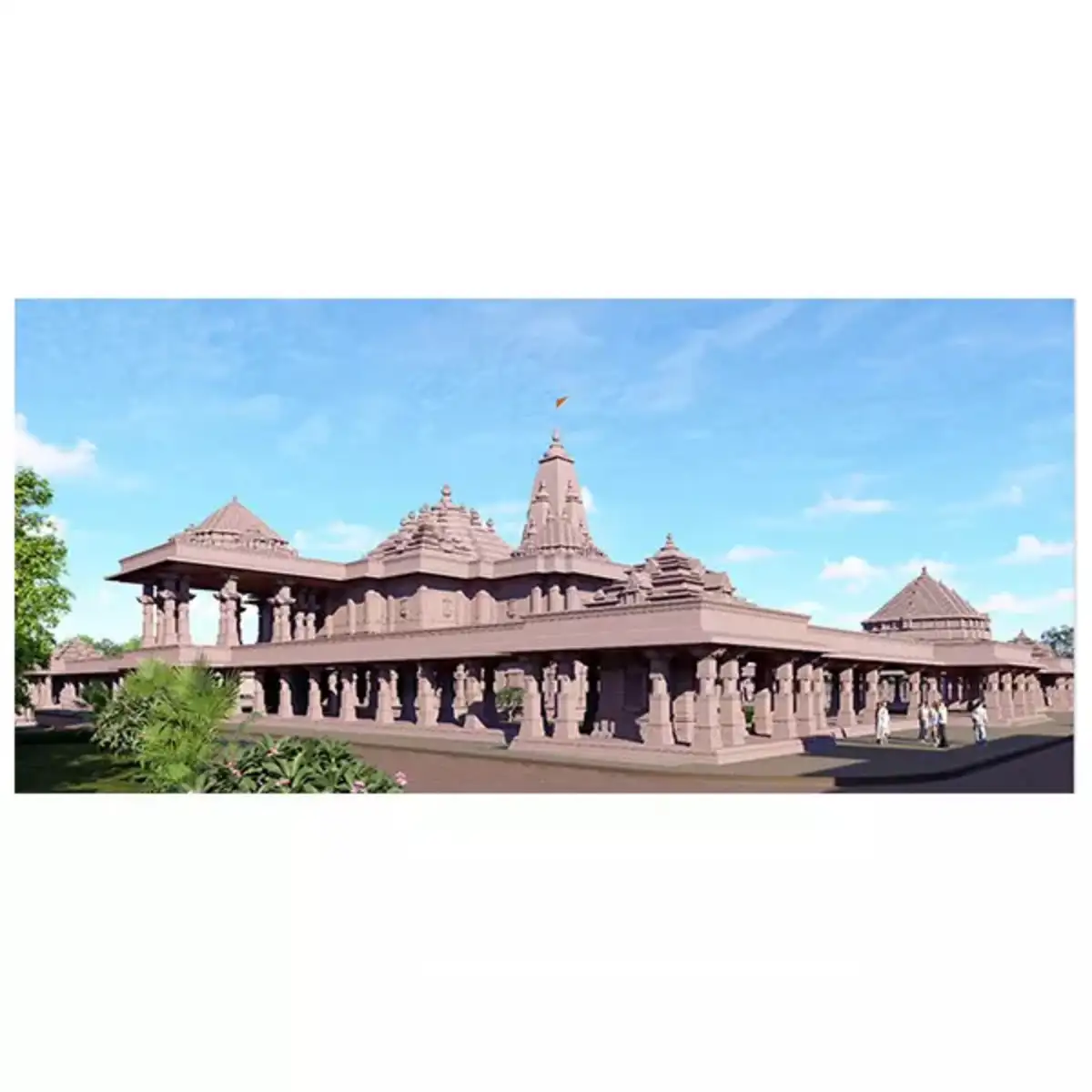
Introduction to sitamarhi janki mandir
Welcome to your comprehensive guide to sitamarhi janki mandir, one of Bihar's most captivating destinations. Whether you're a history enthusiast, spiritual seeker, or adventure traveler, this guide will help you plan the perfect visit to this remarkable location. Bihar, known for its rich cultural heritage and historical significance, offers travelers an unforgettable journey through time.
sitamarhi janki mandir stands as a testament to Bihar's glorious past and vibrant present. This destination attracts thousands of visitors annually who come to experience its unique charm, spiritual atmosphere, and architectural marvels. In this detailed guide, we'll explore everything you need to know about visiting sitamarhi janki mandir, from historical background to practical travel tips.
Historical and Cultural Significance
The history of sitamarhi janki mandir is deeply intertwined with Bihar's rich cultural tapestry. This destination has witnessed centuries of civilizations, kingdoms, and cultural exchanges that have shaped its current identity.
Ancient Heritage
Dating back to ancient times, this location has been mentioned in various historical texts and scriptures. The architectural style reflects the influence of different dynasties that ruled Bihar, showcasing a beautiful blend of artistic traditions. The site represents the architectural brilliance and cultural sophistication of ancient Indian civilization.
Religious and Spiritual Importance
For devotees and spiritual seekers, sitamarhi janki mandir holds immense religious significance. The sacred atmosphere and spiritual energy of this place create a profound impact on visitors. Pilgrims from across India and abroad visit this destination to seek blessings and experience divine tranquility.
Major Attractions and Highlights
Exploring sitamarhi janki mandir offers numerous memorable experiences. Here are the must-visit spots and key highlights:
Main Complex
- Central Shrine: The primary attraction featuring stunning architecture and intricate carvings that showcase ancient craftsmanship
- Prayer Halls: Spacious areas for meditation and worship with peaceful ambiance
- Temple Courtyard: Beautiful open spaces perfect for photography and cultural events
- Sacred Pond: Holy water body where devotees perform rituals
- Ancient Sculptures: Historical artifacts and stone carvings depicting various deities and mythological scenes
Architectural Marvels
The architectural design of sitamarhi janki mandir represents a masterpiece of traditional Indian architecture. The intricate stone carvings, towering spires, ornate pillars, and detailed frescoes demonstrate the exceptional skills of ancient artisans. Every corner tells a story of devotion, artistry, and cultural heritage.
Museum and Gallery
The on-site museum houses a fascinating collection of artifacts, manuscripts, and historical objects that provide insights into the site's rich history. Visitors can learn about the evolution of the site through various exhibits and audio-visual presentations.
Best Time to Visit sitamarhi janki mandir
Timing your visit correctly ensures the best experience at sitamarhi janki mandir. Here's a seasonal breakdown:
Winter Season (October to March) - Highly Recommended
- Weather: Pleasant temperatures ranging from 10°C to 25°C
- Advantages: Comfortable for sightseeing, clear skies for photography, minimal rainfall
- Best Months: November, December, and January offer ideal conditions
- Festival Season: Many cultural festivals occur during this period
Summer Season (April to June) - Moderate
- Weather: Hot and humid with temperatures reaching 35°C to 45°C
- Advantages: Fewer crowds, lower hotel rates, authentic local experience
- Precautions: Carry water, sunscreen, and light cotton clothing
Monsoon Season (July to September) - For Nature Lovers
- Weather: Heavy rainfall with lush green surroundings
- Advantages: Beautiful landscape, cooler temperatures, romantic ambiance
- Challenges: Travel disruptions possible, slippery pathways
How to Reach sitamarhi janki mandir
Bihar is well-connected to major Indian cities through multiple transport options. Here's your complete guide to reaching sitamarhi janki mandir:
By Air
Nearest Airport: Jay Prakash Narayan International Airport, Patna (approximately 100-150 km)
- Regular flights from Delhi, Mumbai, Kolkata, Bangalore, and other major cities
- From airport, hire prepaid taxi or book Ola/Uber for onward journey
- Approximate taxi fare: ₹2,000 - ₹3,500 depending on destination
- Journey time: 2-3 hours by road from Patna airport
By Train
Nearest Railway Station: Patna Junction, Gaya Junction, or nearest local station
- Bihar has excellent railway connectivity with trains from all major cities
- Major trains include Rajdhani, Shatabdi, and various express services
- From railway station, local taxis, auto-rickshaws, and buses available
- Pre-book railway tickets during peak season for confirmed berths
By Road
Road Connectivity: Well-maintained national and state highways connect Bihar
- State-run buses available from Patna, Gaya, and neighboring cities
- Private luxury coaches offer comfortable journey options
- Self-drive option: National highways provide smooth driving experience
- Distance from Patna: Approximately 100-120 km (2-3 hours)
- Distance from Gaya: Approximately 40-80 km (1-2 hours)
Local Food and Cuisine
No visit to Bihar is complete without savoring its authentic cuisine. sitamarhi janki mandir area offers delightful culinary experiences:
Must-Try Local Dishes
- Litti Chokha: Bihar's signature dish - roasted wheat balls served with mashed vegetables and ghee
- Sattu Paratha: Nutritious flatbread stuffed with roasted gram flour mixture
- Thekua: Traditional sweet snack made during festivals
- Chana Ghugni: Spicy black chickpea curry served with puri or rice
- Khaja: Crispy layered sweet delicacy unique to Bihar
- Dal Peetha: Steamed dumplings filled with spiced lentils
- Kadhi Badi: Yogurt-based curry with fried gram flour dumplings
- Mutton Curry: Rich and spicy meat preparation with aromatic spices
Popular Restaurants and Eateries
- Local street food vendors near the main entrance offer authentic flavors
- Mid-range restaurants serving traditional Bihari thalis
- Sweet shops selling famous Khaja and Anarsa
- Tea stalls serving refreshing chai with local snacks
Accommodation Options
Various accommodation options cater to different budgets near sitamarhi janki mandir:
Budget Hotels (₹500 - ₹1,500 per night)
- Basic amenities with clean rooms
- Located near main market areas
- Suitable for backpackers and budget travelers
Mid-Range Hotels (₹1,500 - ₹4,000 per night)
- Comfortable rooms with modern amenities
- Attached restaurants serving local and continental cuisine
- Travel desk assistance for local sightseeing
Premium Hotels (₹4,000+ per night)
- Luxury accommodations with premium facilities
- Swimming pool, spa, and fitness center
- Concierge services and airport transfers
Dharamshala and Guest Houses
- Affordable options managed by religious trusts
- Basic but clean facilities for pilgrims
- Advance booking recommended during festivals
Nearby Attractions to Explore
Extend your trip by visiting these fascinating destinations near sitamarhi janki mandir:
- Bodh Gaya: UNESCO World Heritage Site where Buddha attained enlightenment (if not the main topic)
- Nalanda University: Ancient center of learning and archaeological marvel
- Rajgir: Historical city with hot springs and religious significance
- Patna: State capital with museums, ghats, and colonial architecture
- Vaishali: Ancient republic and important Buddhist site
- Pawapuri: Sacred Jain pilgrimage destination
- Vikramshila: Ancient university ruins and monastery complex
Travel Tips and Important Information
Make your visit to sitamarhi janki mandir smooth and enjoyable with these practical tips:
General Tips
- Dress Code: Wear modest clothing that covers shoulders and knees. Remove footwear before entering temple premises
- Photography: Check if photography is allowed inside sanctum. Respect "no photography" zones
- Timings: Temple typically opens early morning (5-6 AM) and closes by evening (8-9 PM). Verify current timings before visiting
- Entry Fee: Most temples offer free entry, but donations are appreciated
- Crowd Management: Visit during weekday mornings to avoid weekend crowds
- Guides: Hire certified guides for detailed historical information and better understanding
Safety and Health
- Carry valid ID proof at all times
- Keep emergency contact numbers handy
- Stay hydrated, especially during summer months
- Carry basic first-aid kit and prescribed medications
- Use sanitizer and maintain hygiene
- Be cautious of your belongings in crowded areas
Money and Budget
- Carry sufficient cash as ATMs may not be readily available everywhere
- Daily budget: ₹1,500 - ₹3,000 per person (excluding accommodation)
- Bargain politely at local markets
- Keep small denominations for donations and local transport
Shopping and Souvenirs
Take home memories and authentic souvenirs from your sitamarhi janki mandir visit:
What to Buy
- Religious Items: Idols, prayer beads, incense sticks, sacred threads
- Handicrafts: Madhubani paintings, bamboo crafts, sikki grass products
- Textiles: Tussar silk sarees, gamcha (traditional towels), embroidered fabrics
- Local Snacks: Packaged Khaja, Sattu, Thekua for friends and family
- Books: Historical texts, travel guides, spiritual literature
Budget Planning Guide
Here's a realistic budget breakdown for visiting sitamarhi janki mandir:
2-Day Budget Trip (Per Person)
- Transportation: ₹2,000 - ₹4,000 (depending on starting city)
- Accommodation: ₹1,000 - ₹3,000 (2 nights)
- Food: ₹600 - ₹1,200 (₹300-600 per day)
- Local Transport: ₹400 - ₹800
- Entry Fees: ₹200 - ₹500
- Shopping: ₹500 - ₹2,000
- Miscellaneous: ₹500 - ₹1,000
- Total Estimated Cost: ₹5,200 - ₹12,500
Do's and Don'ts
Do's ✓
- Respect local customs and religious sentiments
- Dress modestly and appropriately
- Remove footwear before entering temple premises
- Follow queue systems during peak hours
- Donate generously if you wish to support temple maintenance
- Keep the premises clean and use dustbins
- Seek permission before photographing locals
- Learn a few basic Hindi phrases for better interaction
Don'ts ✗
- Don't wear revealing or inappropriate clothing
- Don't carry leather items inside temple premises
- Don't smoke or consume alcohol near religious sites
- Don't touch sacred objects without permission
- Don't litter or spit in public areas
- Don't engage with touts or unauthorized guides
- Don't create noise disturbance during prayer times
- Don't disrespect local traditions and beliefs
Frequently Asked Questions (FAQs)
1. What are the opening hours of sitamarhi janki mandir?
The site typically opens from 5:00 AM to 9:00 PM daily. However, timings may vary during special festivals and occasions. It's recommended to verify current timings before planning your visit.
2. Is there any entry fee to visit sitamarhi janki mandir?
Most temples and religious sites in Bihar offer free entry to visitors. However, donations are welcomed for temple maintenance and development. Some museums or special areas may charge nominal fees (₹10-50 for Indians, higher for foreign nationals).
3. How many days are sufficient to explore sitamarhi janki mandir?
A comprehensive visit requires 1-2 days. If you plan to explore nearby attractions like Bodh Gaya, Nalanda, and Rajgir, allocate 3-4 days for a complete Bihar tour experience.
4. Is sitamarhi janki mandir safe for solo travelers and female tourists?
Yes, Bihar tourism destinations are generally safe for solo and female travelers. However, exercise standard precautions: avoid isolated areas after dark, dress modestly, keep valuables secure, and stay in reputable accommodations. Travel during daylight hours and inform someone about your itinerary.
5. Can I take photographs inside sitamarhi janki mandir?
Photography rules vary by location. Exterior photography is usually allowed, but some inner sanctums prohibit cameras. Always check for signage and ask permission from authorities before photographing. Respect "no photography" zones strictly.
6. What should I wear when visiting sitamarhi janki mandir?
Wear modest, conservative clothing that covers shoulders, chest, and knees. Avoid shorts, sleeveless tops, and tight-fitting clothes. Both men and women should dress respectfully. Carry a scarf or shawl for additional coverage if needed. Footwear must be removed before entering temple premises.
7. Are there food options available near sitamarhi janki mandir?
Yes, numerous restaurants, dhabas, and street food vendors operate near popular tourist destinations. You'll find both vegetarian and non-vegetarian options. Try local Bihari cuisine including Litti Chokha, Sattu Paratha, and Thekua for an authentic culinary experience.
8. What language is spoken locally? Will I face language barriers?
Hindi is the primary language spoken in Bihar, along with regional dialects like Bhojpuri, Maithili, and Magahi. English is understood in tourist areas, hotels, and by guides. Learning basic Hindi phrases enhances your travel experience and helps in better communication with locals.
9. Is mobile network connectivity good at sitamarhi janki mandir?
Major telecom providers (Jio, Airtel, Vodafone-Idea, BSNL) offer good network coverage in Bihar's popular tourist destinations. However, connectivity may be patchy in remote areas. It's advisable to download offline maps and important information before traveling.
10. Can I visit sitamarhi janki mandir during monsoon season?
Yes, you can visit during monsoon (July-September), but be prepared for heavy rainfall and potential travel disruptions. The landscape becomes lush and beautiful, but pathways may be slippery. Carry raincoats, umbrellas, and waterproof bags. Check weather forecasts and road conditions before traveling.
Conclusion: Your Journey to sitamarhi janki mandir Awaits
Visiting sitamarhi janki mandir offers an enriching experience that combines spirituality, history, culture, and natural beauty. This remarkable destination in Bihar provides travelers with unforgettable memories, profound insights, and a deeper connection to India's ancient heritage.
From its magnificent architecture and historical significance to the warm hospitality of local people and delicious Bihari cuisine, every aspect of your visit will leave a lasting impression. Whether you're seeking spiritual enlightenment, historical knowledge, or simply a peaceful getaway, sitamarhi janki mandir caters to all types of travelers.
Plan your trip during the winter months for the most comfortable experience, but don't hesitate to visit during other seasons if your schedule demands. With proper planning, appropriate clothing, respectful behavior, and an open mind, your journey to this incredible destination will be truly rewarding.
Start planning your visit to sitamarhi janki mandir today! Explore more fascinating destinations across Bihar on Explore Bihar - your trusted companion for discovering the hidden gems of this culturally rich state. From ancient universities and Buddhist circuits to vibrant festivals and authentic local experiences, Bihar has endless treasures waiting to be discovered.
For more travel guides, tips, and insider information about Bihar tourism, continue exploring our website. We provide comprehensive guides to all major destinations including Bodh Gaya, Nalanda, Rajgir, Patna, and many more exciting places across Bihar.
Happy traveling, and may your Bihar journey be filled with wonderful discoveries!


